1
Feed and pretreatment scope
Confirm the feed starting point
Whole seed, kernels, screened feed, moisture, and impurities change pretreatment and press rhythm.
See feed prepA soybean hydraulic line earns its place when pretreatment is honest, crude-oil phospholipid handling is visible, and meal value is treated as a co-product decision — not an afterthought.
Fast inquiry
A stable soybean project starts with how whole beans are received, segregated by moisture and hull content, and tempered before they reach the hydraulic shift. Without this discipline, the press is simply reacting to whatever arrives.
Useful for opening the conversation with intake discipline instead of machine-first claims.
This view follows the soybean path from the dehulling screen through the conditioner, into the barrel packing station, through the hydraulic cycle, and out to the crude-oil settling tank. It keeps the operator handoff visible instead of hiding the real work between machines.
This view keeps cooker hold time, barrel loading, and discharge handoff in one picture. The press cell is only as stable as the upstream conditioning window feeding it.
Soybean crude oil carries more phospholipids than most other seeds. Whether you degum at the plant, settle in buffer tanks, or transfer directly to a refinery line, this decision should be part of the first project boundary.
From raw material to finished oil — design, manufacturing, installation, and technical support for small to large-scale oil plants. Qingzhou, Weifang, Shandong Province, China.
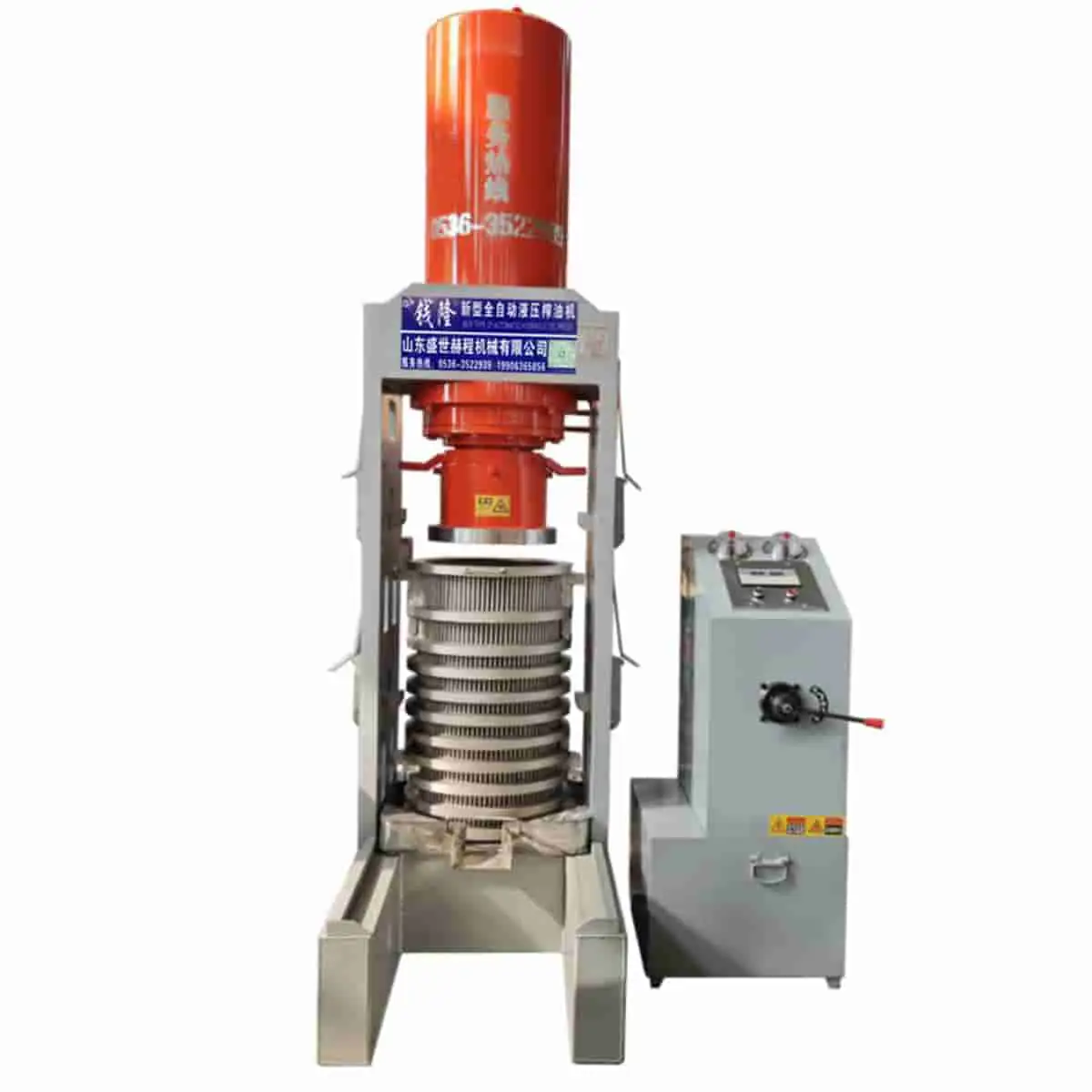
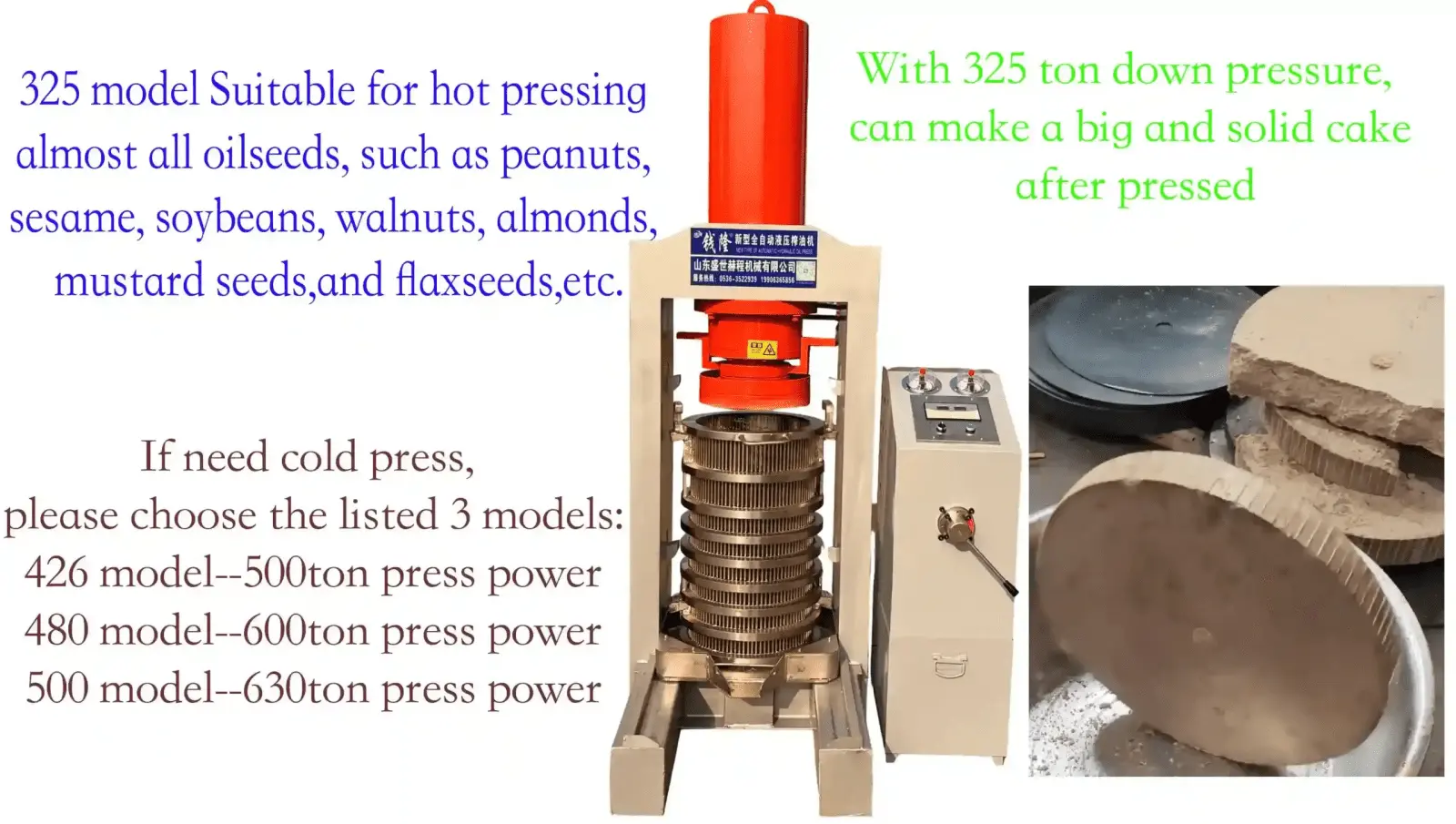
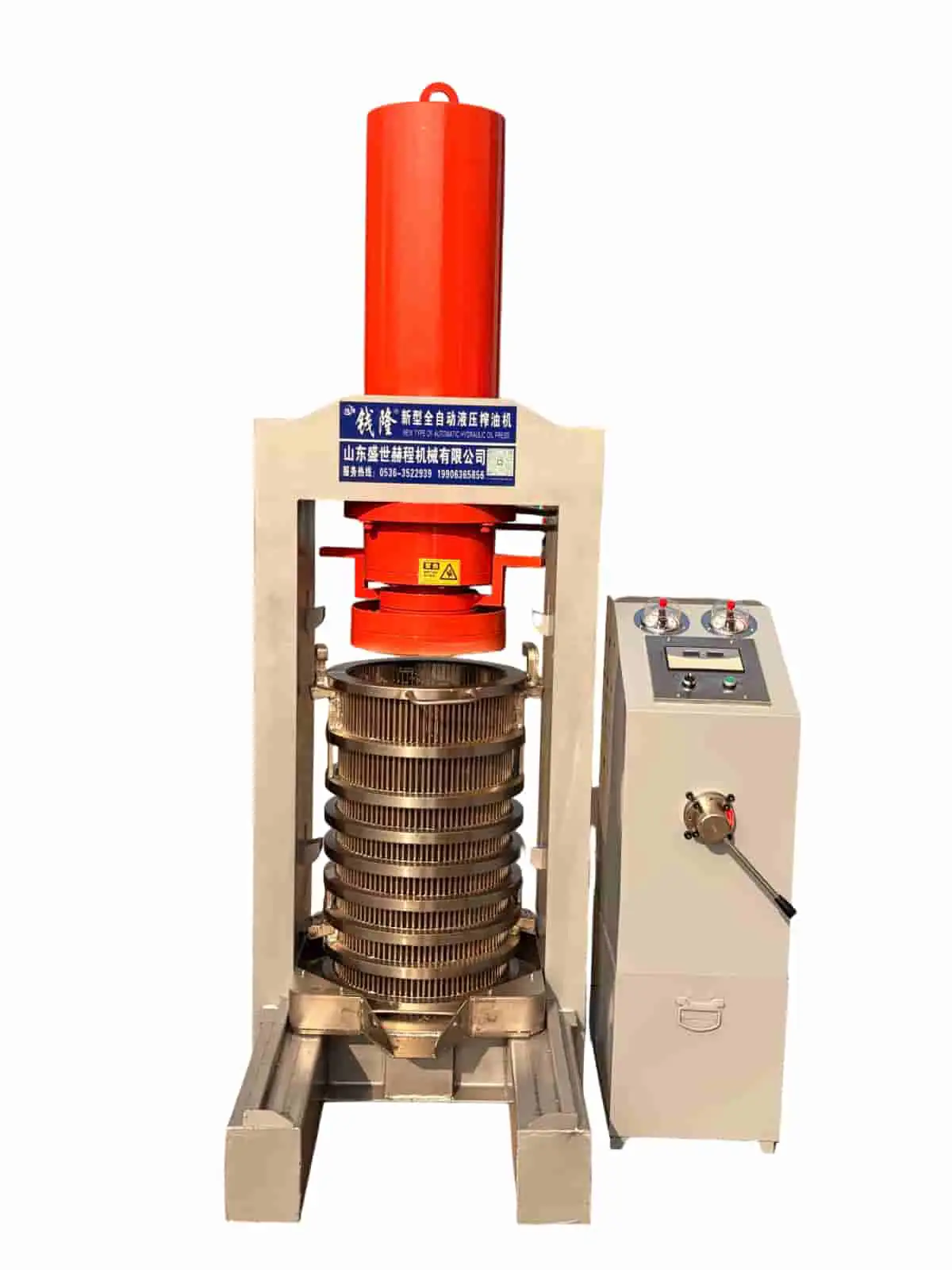
Seven hydraulic models from 300–630 ton — hot (300/325) and cold (355–500 class) with 100 kg max feed per batch (see spec tables).
Pressing, refining, dewaxing, filtration, filling, and supporting equipment — ODM supported for complete oil projects. Since 2008: 200+ staff, 1000+ customers served.
Project path
Real projects do not need a long directory first. Start with feed, route, and post-press handoff; after that, the factory can discuss scope directly.
Feed and pretreatment scope
Whole seed, kernels, screened feed, moisture, and impurities change pretreatment and press rhythm.
See feed prepPressing modules
Route decides roasting, temperature, filtration, oil finish, and packaging before model comparison.
See route optionsPost-press handoff
Output target, workshop, voltage, downstream handoff, and photos make sizing much faster.
Prepare soybean project packetPhotos and videos first
If the full brief is not ready yet, these clips show barrels, pressing, cake discharge, workshop layout, larger models, and export delivery so the scope becomes easier to place.
For soybean projects, check conditioning, barrel loading, pressing, crude-oil handoff, and meal discharge.
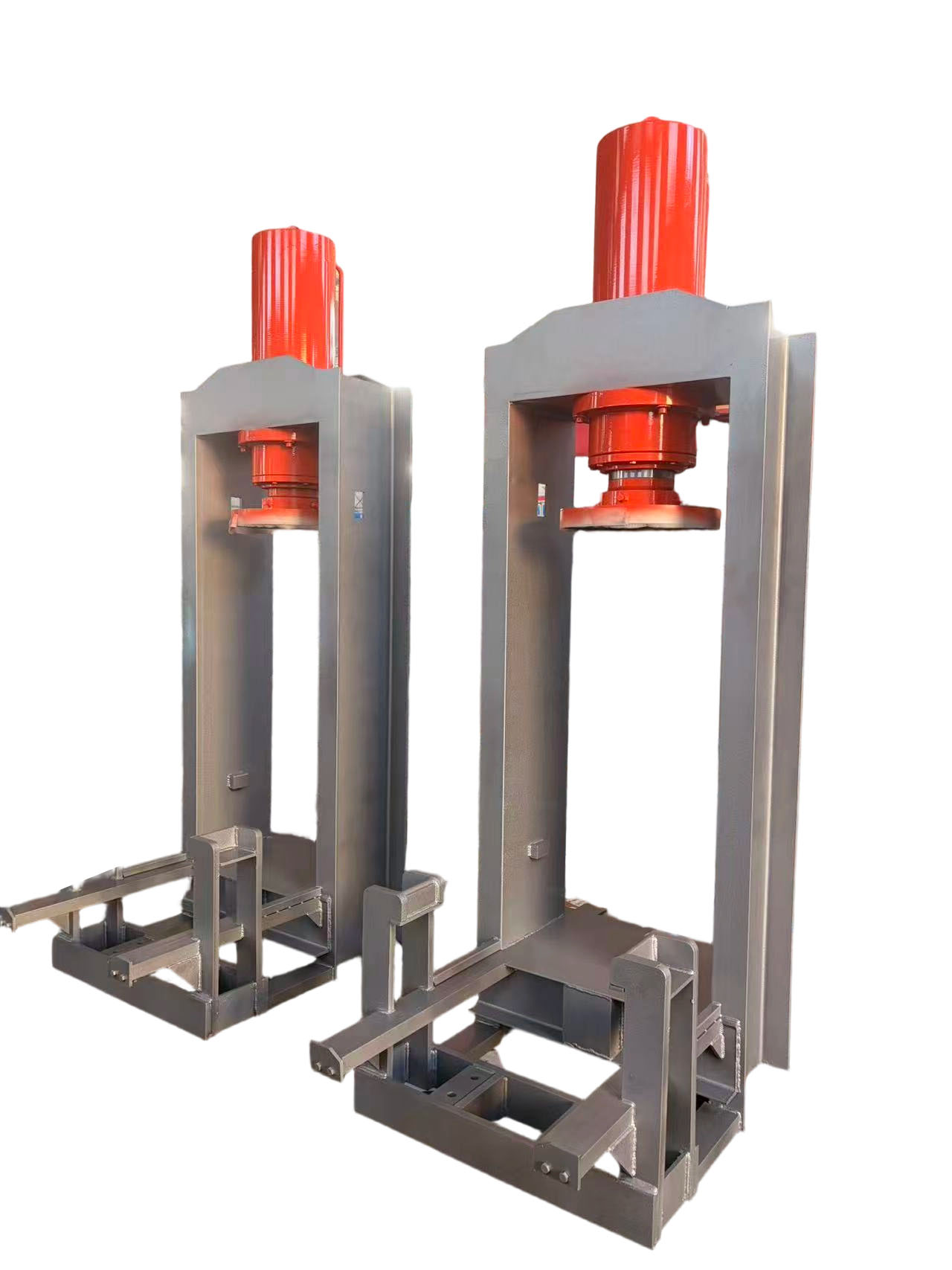
Seeing the barrel, frame, and loading space makes capacity, shifts, and model selection easier to discuss.
Useful for checking footprint, access aisles, loading side, cake discharge, and filtration position.
Bagging, bins, or crushing after discharge changes press-room flow and by-product value.
When the project moves beyond trial batches, workshop height, lifting, loading, and filtration need to be checked together.
For export projects, voltage, crate packing, spare parts, installation mode, and destination port should be aligned early.
Fast startup after arrival depends on power, foundation, lifting, and staffing being confirmed before shipment.
A stable soybean project starts with how whole beans are received, segregated by moisture and hull content, and tempered before they reach the hydraulic shift. Without this discipline, the press is simply reacting to whatever arrives.
Useful for opening the conversation with intake discipline instead of machine-first claims.
This view follows the soybean path from the dehulling screen through the conditioner, into the barrel packing station, through the hydraulic cycle, and out to the crude-oil settling tank. It keeps the operator handoff visible instead of hiding the real work between machines.
This view keeps cooker hold time, barrel loading, and discharge handoff in one picture. The press cell is only as stable as the upstream conditioning window feeding it.
Soybean crude oil carries more phospholipids than most other seeds. Whether you degum at the plant, settle in buffer tanks, or transfer directly to a refinery line, this decision should be part of the first project boundary.
Project path
Soybean has lower oil content than peanut or sesame, so the economic logic of a hydraulic soybean line depends heavily on pretreatment discipline, meal value, and how crude oil will be handled downstream. Those realities should come before model selection.
If dehulling and flaking are not yet solved, the press quote cannot be accurate. Hull content affects oil color, phospholipid load, and meal grade simultaneously.
Soybean conditioning—moisture, temperature, and residence time in the cooker—is where batch consistency is either built or lost. The press only amplifies whatever the conditioner delivers.
Soybean crude oil is high in phospholipids. Whether you hydrate, settle, or hand off to an existing refinery changes tank sizing, piping, and the overall plant budget.
Soybean meal is often the more valuable output. If the meal feeds a livestock operation, enters local feed markets, or needs specific protein certifications, the press route and residual-oil target must accommodate that.
Line engineering
A soybean hydraulic line is not a single machine. It is an intake station, a dehulling floor, a conditioning stage, a press cell with operator rhythm, a crude-oil buffer zone, and a meal discharge system. The scope becomes clear when those modules are read as one flow instead of separate blocks.
Showing the floor bays helps explain what belongs to intake, pretreatment, pressing, and post-press handoff.
This clip captures the actual operator handoff between the conditioning stage and the barrel packing station, then through pressing and into crude-oil collection.
Moisture variation between bean lots is common. Segregating intake by moisture and hull condition prevents the conditioner from fighting inconsistent feed all shift.
Soybean hull removal rate directly affects crude-oil color and phospholipid load. A 90% versus 70% dehulling target creates two different downstream conversations.
Barrel loading, cycle time, and discharge need a clear operator workflow. Soybean batches are typically larger volume per cycle, so labor staging matters more than on higher-oil seeds.
Market routes
A soybean line serving a feed-linked regional mill, a non-GMO specialty oil brand, and an industrial crude-oil supplier should not be scoped the same way. The press may overlap, but pretreatment depth, crude-oil treatment, and meal specifications are different decisions.
Meal protein and residual oil are negotiated with feed buyers before the line is sized. The crude oil is often sold as-is or lightly settled before transfer to a refinery.
Traceability, lower-temperature handling, and cleaner crude-oil transfer become the selling points. The meal also carries a premium if certification is maintained through the process.
Many soybean projects start with pressing and settling, then add refining, dewaxing, or filling modules in a later phase. The first layout must leave room for these connections.
RFQ discipline
Soybean projects are re-scoped more often than most other seeds because pretreatment depth, crude-oil treatment, and meal specification are frequently left out of the first inquiry. A complete first pack moves the discussion closer to a real plant.
Batch rhythm
A soybean line should be described with a complete rhythm: pre-press capacity, cooker count, steamer, and multiple 325 hydraulic presses. These numbers explain how a real line balances preparation, cooking, barrel loading, pressing, crude-oil handling, and meal discharge.
This is where the soybean route becomes concrete: the equipment discussion starts only after the cooking buffer and meal handoff are visible.
A 500 kg/h upstream preparation rate only makes sense when cooking and pressing cells can keep up. It should be compared with shift hours, bean moisture, and meal target.
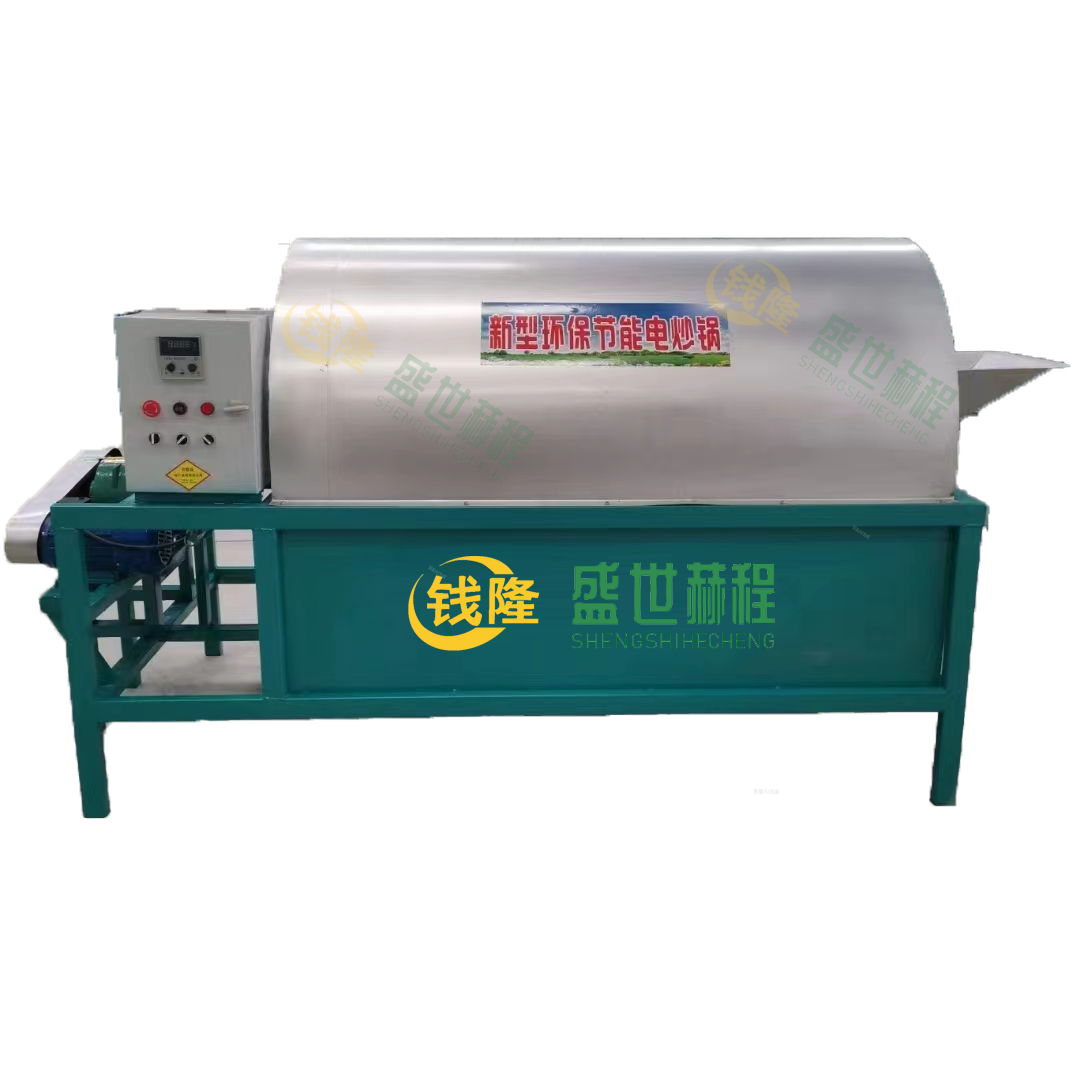
A setup with multiple electric-heated flat-bottom woks and a steamer means the soybean scope should discuss cooking buffer and feed uniformity before press tonnage.
A 325 barrel of about 100 kg and a roughly 1.5-hour two-barrel rhythm are planning references. The final number still depends on bean condition, cake target, and operator handoff.
Soybean buyers should treat the hydraulic press as part of a prepared-feed line. Model choice follows from scale, bean preparation, crude oil specification, and whether later filtration or refining is already planned.
The press discussion assumes soybeans are cleaned and suitably prepared, not dumped in raw and expected to solve every problem.
Soybean hydraulic presses fit right-sized projects when the route is separated from large solvent-extraction economics.
Soybean crude oil often needs a stronger downstream plan, so filtration and later refining scope should be discussed upfront.
The wider soybean oil line team network supports equipment documentation, layout clarification, and multilingual communication.
Process and line path
Each section follows a practical project path so process notes, equipment scope, and project details stay connected.
Dehulling & Route
Review this groupLine & Pre-treatment
Review this groupRequirements & Scope
Review this groupFAQ & Operations
Review this groupAlign the common questions first
The FAQ clears the sticking points around feed boundary, pretreatment depth, downstream handoff, and project scope before the machine discussion narrows.
Once feed condition, target output, utilities, and post-press destination are clear, this becomes the place to turn scope into a workable engineering discussion.